Get to Know Us: Tom Brainard

by Cameron Settles

From Colorado to LA and back again, Tom Brainard’s love for film and music has driven much of his life.

I sat down with Tom to talk about his background, what brought him to PBS12, and how Colorado Soundstage came into existence.
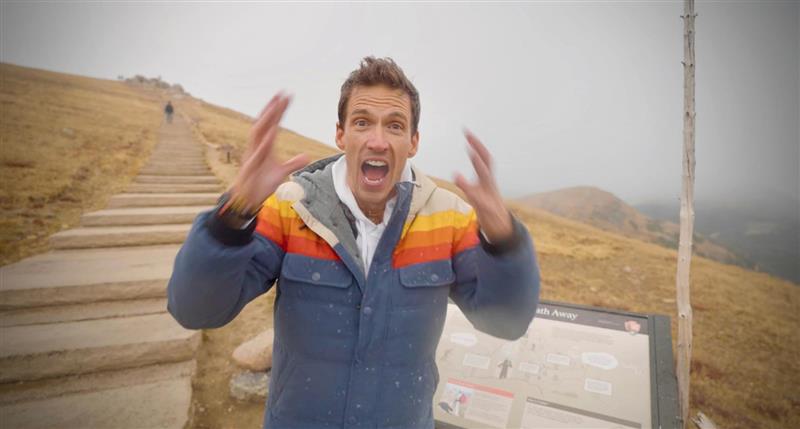
Tom Header


Cameron: What was your background before PBS and how’d you get here?

Tom: So, I’m old and back in the 90s… They had television back then.

C: I’ve heard of it

Tom: Yep. It was square, but they had it … Anyway, graduated high school, went to CU in Boulder. I didn’t know what I wanted to do as many of my contemporaries did … or didn’t. Then halfway through I got an opportunity to go out [to Los Angeles] and be a PA, production assistant, on a movie.

I had it in my head that I loved movies, and I really loved the creative arts. So, I went out and it was Air Force One … and I thought I had died and gone to heaven. I was [about] 20 years old and there was sushi every other day on set as, like, a snack.

Harrison Ford… and Jack Nicholson would come by and say “hi.” Gary Oldman would hop in my golf cart so I could drive him to his trailer, and [he’d] yell about the world on the way there and smoke seven cigarettes.

I was just like, ‘this is amazing!’ So, I spent four or five months out there. Then came back to college, and I was like, ’college is super boring.’

So, it ended up that I never … I am within five credits of finishing college. I never did it. I don’t know if that’s good or bad, maybe time will tell.

But I was so excited to go back out to LA that I was like, eh, ‘I’m out.’ Went out, worked on a bunch of movies: Ray, Sahara, Around the World in 80 Days, Chronicles of Narnia… Holes.

C: Yes, Keith told me that you were in Holes.

T: Okay, so this is my absolute claim to fame, which is so silly. It’s absurd to even talk about that I was in Holes for about seven seconds and that was in 2001. I was 23 or 24. I couldn’t even grow, I still can’t grow a mustache, but I really couldn’t even grow a mustache.

I was playing a sheriff, so I had to go buy mascara to [fill in my mustache] to make myself seem like more of a sheriff. And I arrested Sigourney Weaver and Jon Voight at the very end ’cause they were the baddies.

It was amazing. What, again, an unbelievable experience.

Anyway, I did a bunch of stuff out in LA and just worked on a ton of things.

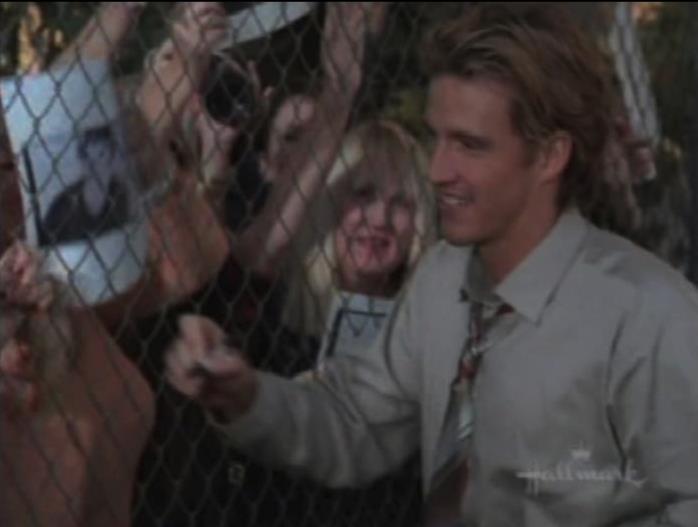
I was an actor for a little bit. I was in a couple, marginally bad, Hallmark movies as the boyfriend or whatever. Probably couldn’t even Google all that stuff. It’s so obscure. But then, for one reason or another, life in LA was driving me bananas, if I’m honest.

It was a rollercoaster that I was starting to get nauseous on.

So, I decided to move back to Colorado. I felt a little ‘tail between my legs,’ like I had failed, but at the same time, my sanity was at stake. I came back, kind of flailed around for a while, and then slowly got back into things through many different odd channels of marketing.
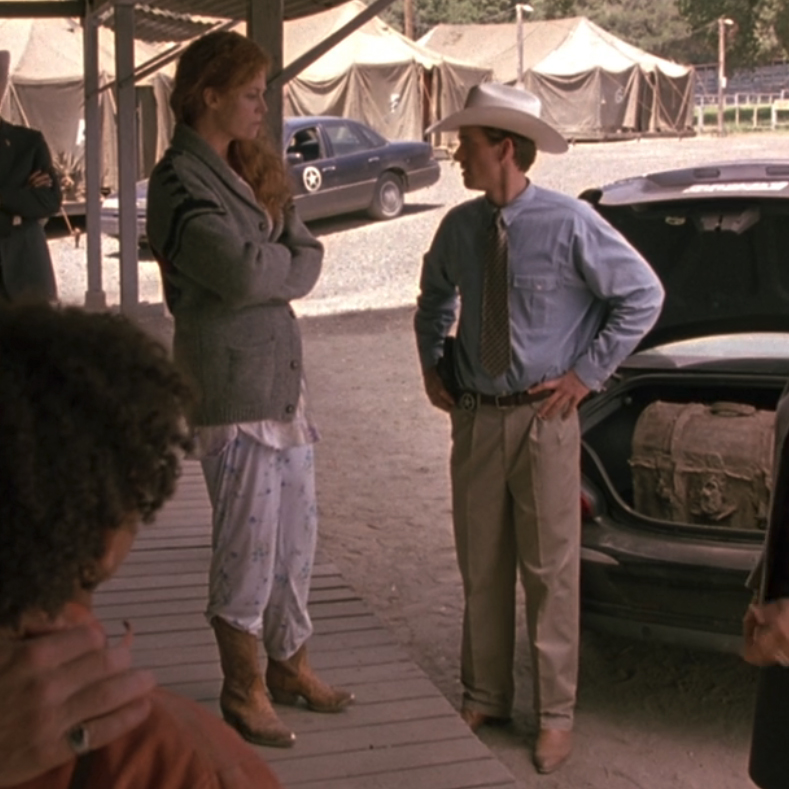
Tom as Sheriff in Holes
Tom in Hallmark Movies

Worked with a company that did promotions for movie theaters across the country, and just some got back into the creative spirit. Then I started working for a company called Foundation for Better Life doing TV commercials.

They have all the billboards at the airport that say like … “Persistence. Pass it on.” That’s where I worked with Zac Brown, and a bunch of other bands, doing TV commercials.

And then I was in it, dude, I was like, “this is it.” I’m producing stuff and starting to direct stuff.

Then I parlayed that into directing a four-part historical docuseries on the advent of the American West as seen through the eyes of entrepreneurship.

Sold that to Discovery, and then I was really off to the races. Again, I was like, ‘this is it.’ This is what I want to do.
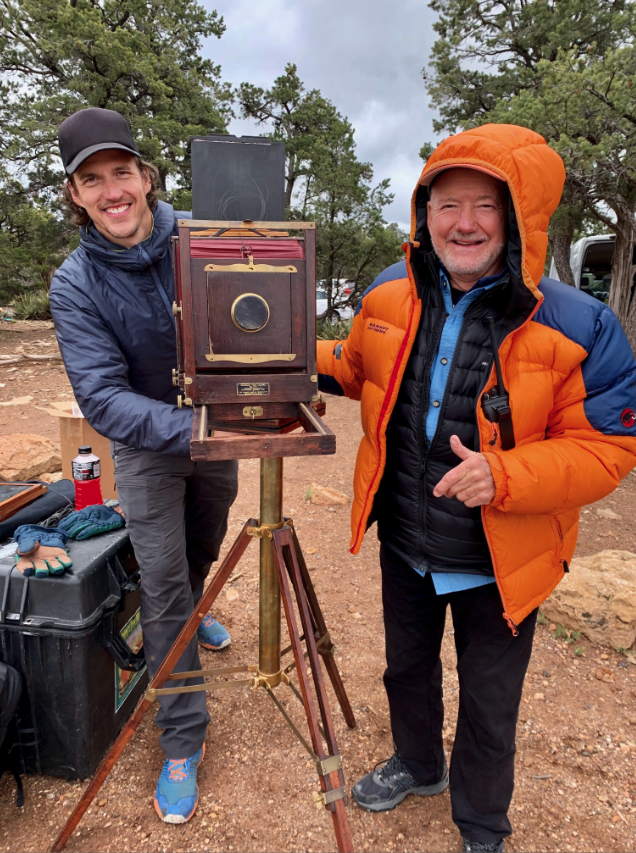
Tom on Set
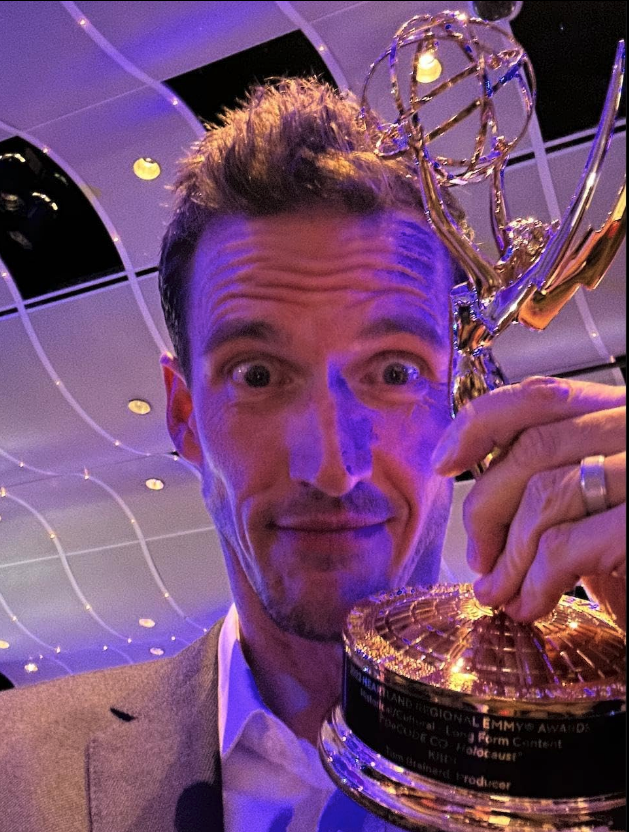
Tom with an Emmy

It wasn’t narrative film, it wasn’t feature films, it was documentary. It was a little different, but there was less ego involved… and my ego couldn’t handle the insanity [of LA].

So, the documentary thing took hold, and then it was one thing after another. I’ve been doing a project on Native Americans for the last seven years in California that I’m still working on. [It’s about] helping to reclaim their own creation story and history through their own eyes as opposed to European Americans/textbook eyes.

That’s been life-changing. That’s been a big part of my life.

Then this came along; I started working with PBS12 [about] 3 years ago, and we’ve been doing some amazing things here, right? We’ve been able to win Emmys for these Decode documentaries.

I think we’ve won two Emmys now but been nominated five or six times for that particular franchise of just telling little mini documentary stories about delicate issues or things of note around Colorado. It’s that same special sauce [as Colorado Soundstage]. It’s just telling these very human stories.

C: Ok, take me through the inception of Colorado Soundstage and how that came to be.

T: So, we were here I don’t even know… three and a half years ago maybe.

We were sitting around… and said, ‘Okay. We gotta try and reinvent something because we’re worried about what long form content is doing. We’re worried about short form versus that, and how the TV station is going to fare in the new universe.’

Especially post-COVID when it was just a different deal.

Then we got to thinking [that] we should do something with concerts because it wasn’t really happening. So, that was just a seed that was planted and not much happened to it for a while. Until I had a, uh, brain fizz one night.

I had an acquaintance, an old buddy of mine that I’d worked with on some stuff before. I’d done some stuff in music before in a different avenue. This dude named Brian Schwartz, who owned a management company called 7S, which is a significant management company that happens to be based in [Boulder].

He manages a bunch of different acts, one of which was Big Head Todd and The Monsters, which I was a super fan of because when I was going to college, I was blasting that stuff out the window going up and down Broadway at CU.

So, I was like, ‘okay, well maybe he would entertain a conversation with me about this.’

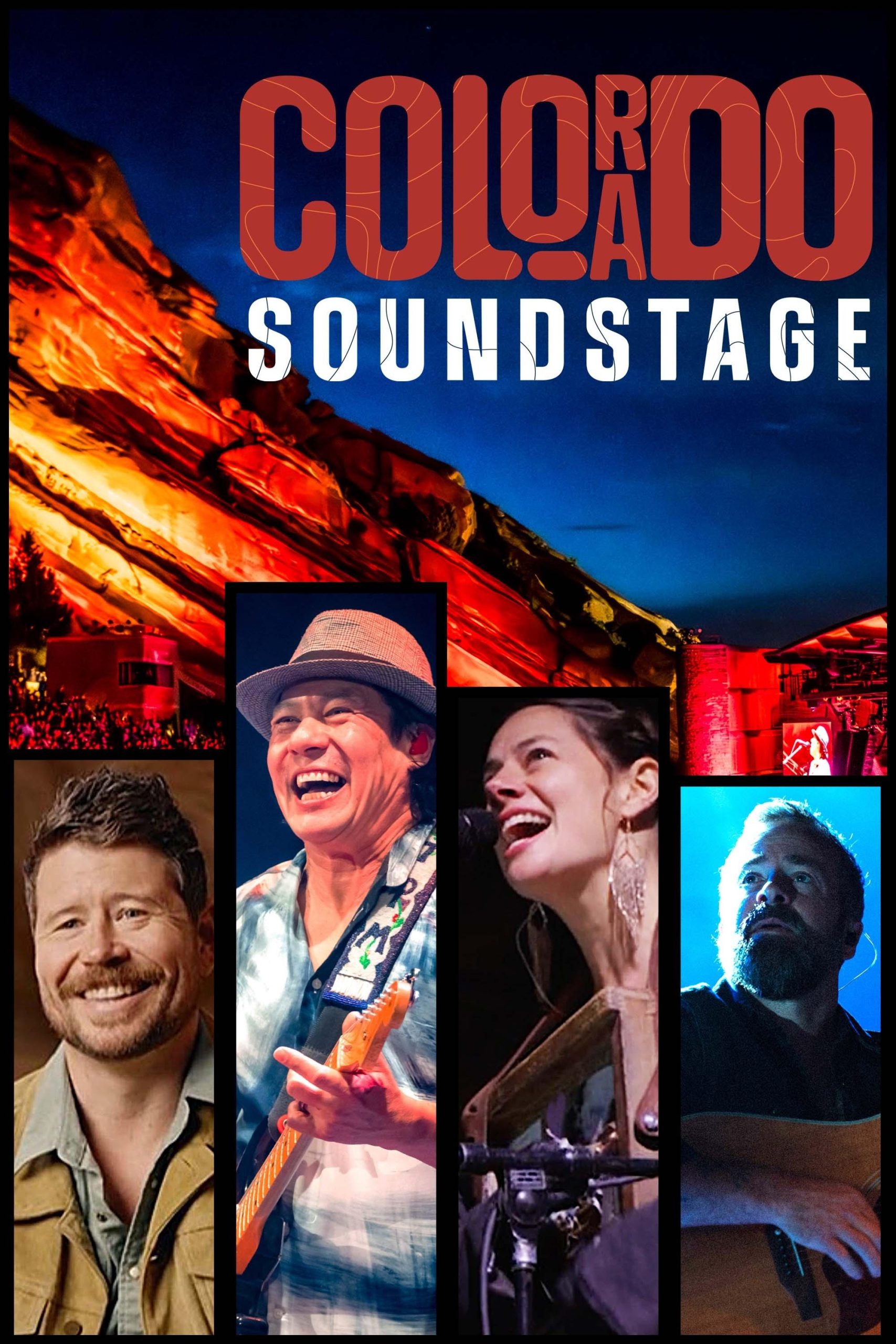
I got on the phone with him, we started talking about it, and I was like, ‘you know what? We wanna make a show at Red Rocks. I got this idea that nobody makes music content in Colorado about the outdoor venues.’

Which is our (Colorado’s) pièce de résistance is this outside stuff that we have here that is unlike anything else in the world. That can be the hook.

So, what if we did that? And what if Big Head Todd did that as our first show? And what if we didn’t pay him? And he was like, ‘okay…’ I was like, ‘oh, but it’s for PBS.’ He’s like, ‘oh, okay.’

Because that just gets you in the door, man. Especially when you don’t have any proper finances to fund stuff. People give you a lot of leeway because they know it’s for a public good. It’s legit. So, long story, short(er).

Big Head Todd was into it. We filmed the show and as we were developing that, I had another brainwave, [as I was watching] a music show, and I watched a bunch of them, like Austin City Limits, and there were a few others.

All due credit to Austin City Limits—doing 50 years as of last year. But I was feeling that I was having a hard time paying attention in today’s environment to a show that was just music for an hour. No disrespect to the artist, it’s just there’s too much going on.

I needed another hook to get invested. So, I went back to my toolkit, which was as a filmmaker and a storyteller, and I was like, we could [just] film the concert, or we could [also] have a conversation with these guys. And really find out what makes them tick. Because I’m super like touchy feely, emotional guy about having those kinds of conversations, what I do in my documentary filmmaker world.

I was like, do we mix that in so that you kind of hook people with some storyline, and wanting to hear maybe a new take on the history of the band, and some universal views and values and sentiment that goes on in their brains as they’re writing music, and have that segmented throughout the show?

So, [with] that idea—outdoor venues, Big Head Todd—we went to Red Rocks, shot the concert, did the interview in Jeremy, the keyboardist’s basement in Wash Park, which is also their rehearsal space. We had absolutely no idea what we were doing… yet, it was a fantastic conversation, and I was super giddy about it.

Colorado Soundstage Graphic
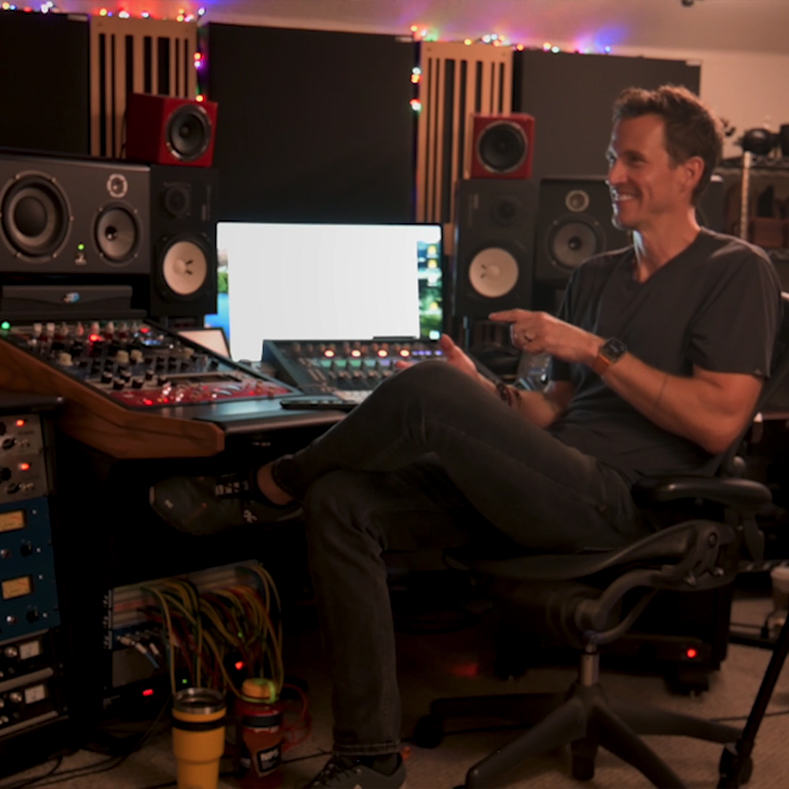
Tom in Studio
Because I had listened to probably way over a thousand hours of their stuff over the last decade. Just how much it impressed [upon] me as a person. I was now having those conversations with Todd about what he was writing and [where] it was coming from. He was super vulnerable about it, talking about some really delicate things in his life, and some very quotable, like genius-level things that he had come to in his career.

And yet he’s still a dad who lives in Littleton trying to get his, I think he said, ‘I’m just trying to get my kids to eat breakfast.’ It was this very human thing that came out of these conversations attached to the very creative, artistic expression stuff that most people see. That combined force, I thought, made for a really interesting [show].

So that was it. Then I was just off to the races, I was calling Brian back, like, ‘who else you got?’ Then we got in touch with other folks over the proceeding two years. It’s taken a while… but we did it and now it’s out.

Colorado Soundstage is airing regularly on PBS12 and is also available on-demand through PBS12 Passport.